

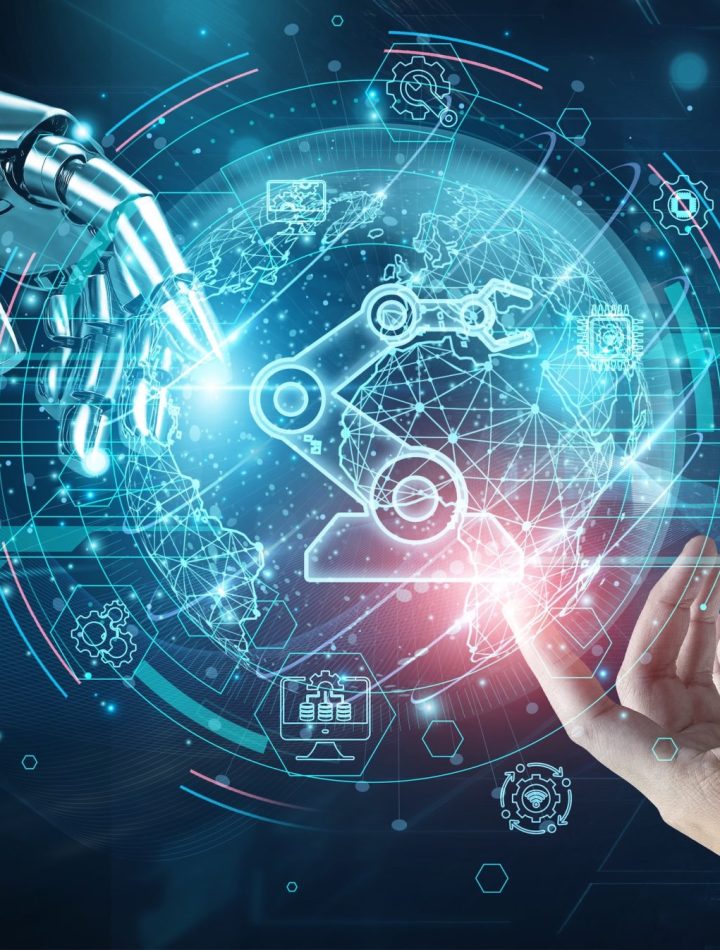
The concept of a digital twin has become one of the most influential developments in modern technology. A digital twin is a virtual representation of a physical product, process, or system that mirrors its real world counterpart through data and simulation. Instead of relying solely on physical prototypes, businesses can now test ideas, predict outcomes, and improve designs in a virtual environment before manufacturing begins.
Industries ranging from automotive and aerospace to healthcare and consumer electronics are embracing digital twins because they reduce development costs, shorten production timelines, and improve product quality. Engineers can identify weaknesses, evaluate performance under different conditions, and make adjustments long before a product reaches customers. This approach encourages innovation while minimizing waste and unnecessary expenses.
Smarter Design Through Real Time Simulation
One of the greatest strengths of digital twins is their ability to simulate real world conditions. Designers no longer have to wait until a physical prototype is built to understand how a product will perform. Instead, virtual models provide immediate feedback based on real operating data.
For example, an automobile manufacturer can create a digital twin of a new vehicle to test fuel efficiency, safety performance, and component durability under countless driving conditions. Similar techniques are used in manufacturing plants where production lines are optimized before equipment is installed. This level of precision allows companies to make informed decisions that improve reliability and customer satisfaction.
Even organizations involved in digital public services are moving toward smarter online platforms. As governments modernize their systems, portals such as kaveri 2 online demonstrate how digital platforms can simplify access to important services while supporting efficient data management.
Faster Innovation Across Industries
Innovation often depends on experimentation, and digital twins make experimentation more practical than ever before. Businesses can evaluate multiple design alternatives simultaneously without investing in expensive physical models. Engineers are free to test creative concepts because virtual failures are significantly less costly than real ones.
Medical technology companies use digital twins to improve medical devices, while manufacturers optimize industrial machinery for greater efficiency. Consumer electronics brands analyze how products perform under different environmental conditions before they are released to the market. The result is faster product development combined with higher confidence in the final design.
Digital twins also encourage collaboration. Designers, engineers, manufacturers, and quality assurance teams can work together using the same virtual model, ensuring that everyone shares accurate and up to date information throughout the product lifecycle.
Data Driven Decisions Create Better Products
Digital twins continuously collect and analyze information from sensors, connected devices, and operational systems. This stream of data allows organizations to understand how products behave after they reach customers. Instead of relying on assumptions, companies can identify actual usage patterns and improve future versions accordingly.
A similar emphasis on digital accessibility can be seen in government service portals like www.kanyasumangalayojana.com, where online systems help simplify processes for users. Although the purpose differs from industrial innovation, both examples demonstrate how digital transformation improves efficiency, accessibility, and informed decision making.
As artificial intelligence and machine learning become more advanced, digital twins will become even more intelligent. They will predict maintenance requirements, recommend design improvements, and automatically detect performance issues before they become serious problems.
Sustainability Through Intelligent Development
Sustainability has become an important objective for businesses around the world. Digital twins contribute to environmental goals by reducing material waste, lowering energy consumption, and minimizing unnecessary prototype production. Companies can evaluate environmentally friendly materials, optimize manufacturing processes, and improve product efficiency without repeatedly building physical samples.
This smarter development process supports both business profitability and environmental responsibility. Manufacturers benefit from lower production costs while consumers receive products that are more durable, efficient, and reliable.
Digital record management systems are also becoming increasingly valuable in other sectors. Platforms such as www banglarbhumi net khatian highlight how digital information can improve transparency, organization, and easier access to essential records.
The Future Of Digital Twin Technology
The future of digital twins extends far beyond product development. Entire factories, smart cities, transportation networks, and healthcare systems are expected to use interconnected digital twins to improve planning and operations. As Internet of Things devices continue to generate enormous amounts of data, digital twins will become increasingly detailed and accurate.
Organizations that invest in this technology today are positioning themselves to respond more quickly to market demands, reduce operational risks, and create products that better meet customer expectations. Continuous monitoring and predictive analysis will become standard features across many industries.
The broader movement toward digital transformation is visible across numerous sectors. Online information platforms such as www.bhulekhuttarakhand.net illustrate how digital services continue to replace traditional manual processes, improving convenience for users while enhancing operational efficiency.
Conclusion
Digital twins have fundamentally changed the way products are designed, tested, and improved. By combining virtual simulations with real time data, organizations can innovate faster, reduce costs, improve quality, and support sustainable manufacturing practices. As artificial intelligence, cloud computing, and connected devices continue to evolve, digital twins will become an even more essential part of product development. Businesses that embrace this technology today will be better equipped to create smarter products, respond to changing customer needs, and lead the next generation of innovation.