
The old public feed is not dying. It is splitting into smaller rooms with different locks, rules, and exits. Decentralized Social Media now matters because Americans want a place to post, follow news, build a name, and leave without losing every contact they made. That is the real shift. The point is no longer only “quit X.” The point is choosing a network where your audience, data, and identity are less trapped. For creators, journalists, local groups, and small brands, that changes the playbook. A post can live in Bluesky, Mastodon, Threads, or another app, yet still point back to the same public voice. That is why independent media visibility feels tied to this moment. Protocols are becoming part of online reach, not a side hobby for tech purists. ActivityPub is a W3C standard for connected social networking, Bluesky reported growth from 25.94 million to 41.41 million users in 2025, Threads reached 500 million monthly active users in June 2026, and Mastodon’s own directory showed 732,000 monthly active users across 7,900 servers on June 22, 2026.
Why Decentralized Social Media Feels Less Like a Protest Now
The first wave of Twitter alternatives felt like people grabbing a coat during a fire alarm. Some joined Mastodon, some tried Bluesky invite codes, some waited for Threads because it already sat near Instagram. That rush was emotional. The mature phase is calmer. People now ask better questions: Where is my audience? Who controls the feed? Can I move later? Will the rules make sense when a fight breaks out?
Why people leave X without wanting another walled garden
Most users do not wake up wanting protocols. They want fewer nasty surprises. A writer in Chicago who spent ten years building a following does not want one owner, one policy change, or one feed tweak to decide whether her work gets seen. That fear is practical, not abstract.
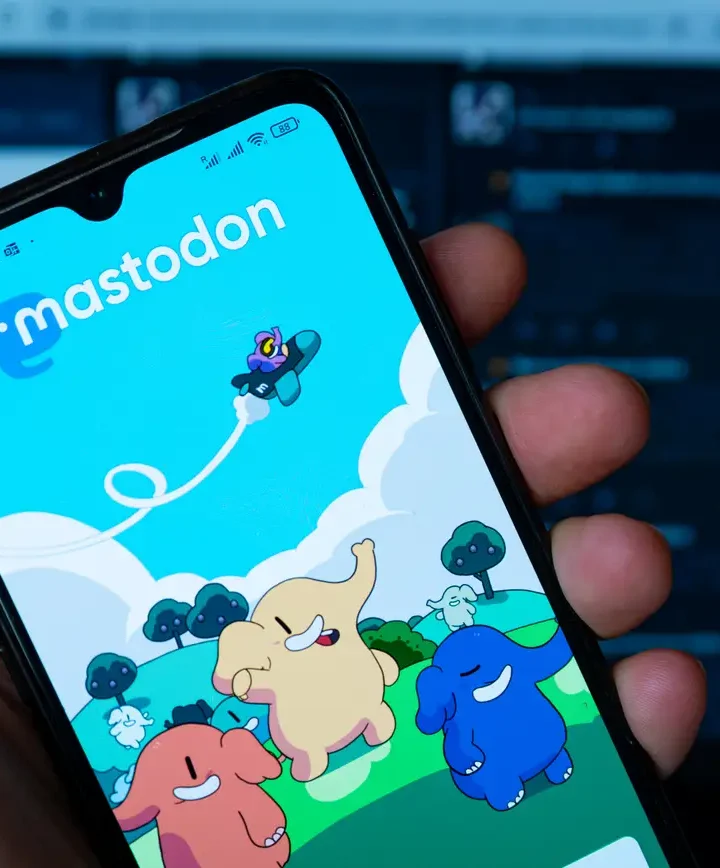
That is where federated social networks have gained respect. They give users a mental exit door. On Mastodon, the server you choose matters because each server has its own policies and culture, while still connecting to the wider network. Mastodon says each server is independent but can work with others as one global social network.
The counterintuitive part is that friction can build trust. A server with clear rules may feel slower at signup, but it can feel safer after a year. People complain about choosing an instance, then later praise the fact that someone local is watching the room.
Why comfort matters more than ideology
Bluesky grew because it did not ask most users to think like engineers. It looked familiar, moved fast, and made custom feeds feel like a normal consumer feature. The AT Protocol behind it is built around account portability, user identity, follows, and data that can move across services.
That matters in the USA because habits win. A sports fan in Dallas will not read protocol docs before posting during a Cowboys game. A local reporter in Phoenix will not switch if the new app feels like homework. The better Twitter alternatives are the ones that hide the machine until the user needs it.
This is also why Threads cannot be ignored. It is not the purest open network, but scale changes behavior. Meta says Threads now has 500 million monthly active users, and its fediverse sharing lets eligible public-profile users share posts to ActivityPub-compatible servers when they opt in.
The Networks That Earned Staying Power
Early social app migrations often look bigger than they are. People sign up, post twice, and drift away. What is different now is that several open or partly open networks have found distinct jobs. Bluesky is the fast public square. Mastodon is the community-governed neighborhood. Threads is the giant bridge that may pull millions toward open social web habits without naming them that way.
Bluesky made protocol talk feel normal
Bluesky’s biggest win is not only user growth. It made people care about feeds again. You can follow a main timeline, pick custom feeds, and shape the way topics come at you. That sounds small until you compare it with the old bargain: accept the feed or leave.
Its 2025 transparency report says the network grew nearly 60% that year, from 25.94 million to 41.41 million users. The same report says those accounts include Bluesky-hosted users and users on Personal Data Servers in the AT Protocol network.
A small U.S. media brand can use that in a smart way. One feed can target climate policy. Another can follow statehouse reporters. Another can gather local restaurant chatter. That is a cleaner path than shouting into one giant algorithm and hoping it understands the audience.
Mastodon still wins where community rules matter
Mastodon feels older, stranger, and more stubborn. That is part of its value. It does not act like it wants to become the next addictive national mall. It acts like a set of towns that share roads.
That makes it useful for groups with strong norms. Academic circles, open-source communities, local civic groups, privacy-minded users, and nonprofit teams often prefer spaces where moderation is closer to the people affected by it. The official Mastodon server covenant for listed servers includes active moderation against racism, sexism, homophobia, and transphobia, along with daily backups and emergency contact expectations.
The non-obvious lesson is that smaller can be more durable. A platform does not need everyone if the right people keep showing up. A librarian sharing banned-book updates, a transit advocate posting city council notes, or a software maintainer answering release questions may gain more from a stable niche than from a massive feed that forgets them by morning.
What Brands, Writers, and Local Communities Should Watch
The next phase is less about app loyalty and more about audience insurance. You should not treat any social feed as home. Treat it as rented space with a good door back to your owned work. That means your site, newsletter, podcast, store, or publication still matters. Open networks make that lesson sharper because the account is only part of the system.
The open social web changes how reach is built
The open social web rewards useful identity. A custom domain on Bluesky, a clear Mastodon profile, and a steady posting voice can all point toward the same public presence. That gives your audience more confidence that they are following the real you, not a throwaway account.
For publishers, the bigger idea is syndication with conversation attached. WordPress ActivityPub work has focused on making sites easier to discover and interact with across the fediverse, including better search, richer interactions, and smoother long-form reading. That turns the old blog comment box into something wider.
A local example makes it plain. A Philadelphia food blogger can publish a review on her site, let federated readers follow the site itself, discuss the post from their own apps, and still keep the original article under her control. That pairs well with local content authority building, because the social layer supports the site instead of replacing it.
Twitter alternatives are not one-size-fits-all
People keep asking which app will “win.” That is the wrong question. The better question is which job each app does well. Bluesky is strong for fast public talk and custom feeds. Mastodon is better for community trust and slower conversation. Threads is strong for scale, casual users, creators, and Instagram-adjacent discovery.
Twitter alternatives also carry different risks. Bluesky still has to prove that its protocol world grows beyond the main app. Mastodon still has to make onboarding easier. Threads still has to prove its fediverse work will not become a marketing layer on top of a closed business model.
For a U.S. small business, the practical move is not to pick one forever. Claim names early. Test posts for 60 days. Watch replies, saves, profile clicks, and referral traffic. Then build the strongest channel into your wider audience trust strategy. The feed is not the asset. The relationship is.
The Hard Parts That Still Slow Adoption
Open networks sound clean until real people touch them. Then the mess appears. Users want freedom, but they also want simple signup. They want local moderation, but they also want consistent enforcement. They want portability, but they do not want to understand hosting, relays, bridges, labels, instances, or protocols.
Choice can feel like work
Mastodon’s server choice is the classic example. People who understand it may love it. New users often freeze. Which server is safe? Which one is active? What happens if the admin quits? Can you still follow friends elsewhere?
Bluesky solved part of that by making the main app easy first and the protocol layer quieter. That helped adoption, but it creates another tension. If most users stay on the main service, the network can still feel centered around one company even when the design allows more movement.
Researchers have noticed this broader problem. One 2024 analysis of fediverse promises found that open networks face real challenges in meeting their own decentralization goals at large scale. That does not mean the idea fails. It means the social side is harder than the code.
Moderation gets messier when no one owns the whole room
Centralized platforms have one bad habit: they make huge decisions from the top. Open networks have a different problem. They spread decisions across many servers, tools, labels, blocklists, and community norms. That can protect groups from one bad ruler. It can also confuse users who expect one clean answer.
The best moderation model may be layered. Platform-level safety catches clear abuse. Community rules handle local culture. User controls let people shape their own feed. Bluesky has leaned into community-driven moderation and custom feed control, while Mastodon relies more on server rules and admin judgment. Both approaches solve some problems and create others.
This is where maturity will show. The winner will not be the network that claims perfect speech. It will be the one where normal users know what will happen when something goes wrong.
Conclusion
The story is no longer a simple race to replace X. It is a rebuild of public conversation into layers: apps, protocols, communities, feeds, sites, and portable identity. That sounds technical, but the human need is plain. People want to speak without feeling trapped. They want reach without surrendering every rule to one company. They want a feed that does not punish them for caring about the wrong thing at the wrong hour. Decentralized Social Media will keep growing if it stays boring in the right ways: easier signup, clearer safety, better search, stronger creator tools, and fewer lectures about how the plumbing works. The next smart move for Americans is not to abandon every old platform overnight. It is to stop building an audience with no exit plan. Claim your space, learn where your people gather, and make sure every social post points back to something you own.
Frequently Asked Questions
What is the main reason people are trying open social networks now?
People want more control over identity, feeds, moderation, and audience access. Many users are tired of building years of reach on one platform, then watching policy changes or feed shifts weaken their work without warning.
Are Bluesky and Mastodon the same kind of network?
No. Bluesky uses the AT Protocol and feels closer to a familiar public timeline with custom feeds. Mastodon runs on ActivityPub and is built around independent servers that connect with one another across the fediverse.
Is Threads a true open network or still a Meta app?
Threads is still a Meta app, but it has added opt-in fediverse sharing for eligible public profiles. That makes it partly connected to ActivityPub networks, though it remains tied to Meta’s product choices and business model.
Which platform is best for small businesses in the USA?
Most small businesses should test Bluesky, Threads, and Mastodon instead of betting on one. Threads may offer scale, Bluesky may offer faster public conversation, and Mastodon may work better for trust-heavy niches or local communities.
How do federated social networks help creators?
They reduce dependence on one central feed. A creator can build identity across connected spaces, point people back to owned channels, and avoid losing every relationship if one app changes direction or declines.
What is the biggest problem with Mastodon for beginners?
Server choice can confuse new users. The idea is powerful, but many people do not know which server to choose, how moderation differs, or whether moving later will affect their followers and posting history.
Why does the open social web matter for publishers?
It can connect articles, newsletters, blogs, and social replies in one wider conversation layer. That gives publishers a way to keep original work on their own sites while still joining public discussion across compatible apps.
Will Twitter alternatives replace X completely?
A full replacement is unlikely soon. The more likely outcome is a split market where X, Threads, Bluesky, Mastodon, Reddit, Discord, and niche networks serve different habits, audiences, and posting styles.